

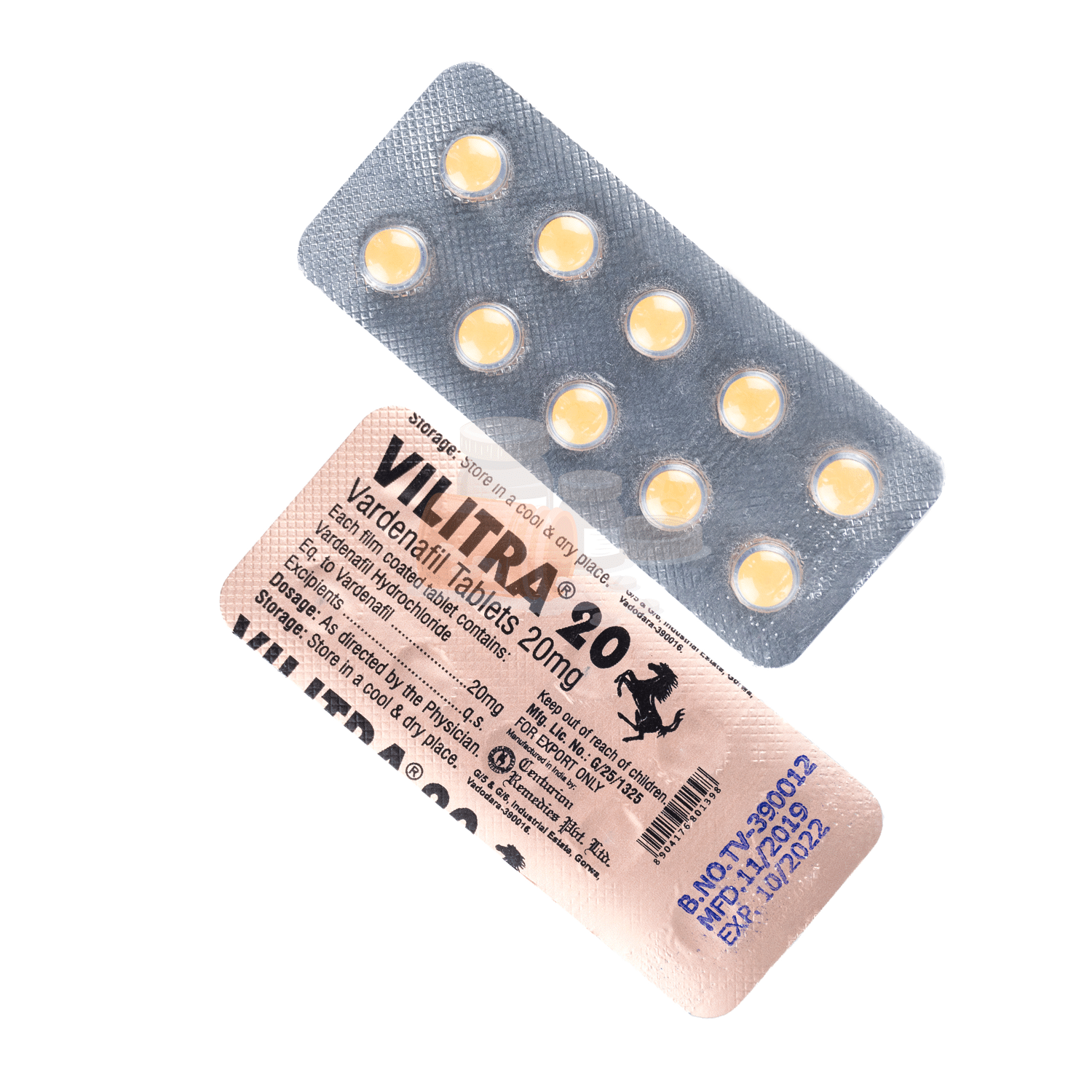
Vilitra Vardenafil (Generic Levitra)
$29.00 – $999.00Price range: $29.00 through $999.00
Vardenafil is the PDE5 inhibitor that merits clinical attention. Its high binding selectivity and consistent onset profile differentiate it modestly from sildenafil, particularly in certain patient populations. Vilitra, manufactured by Centurion Laboratories to WHO-GMP standards, delivers that molecule at a therapeutic 20 mg dose — precise, well-evidenced, and generically priced.
| Quantity | 5,000 Pills ($0.99 each), 3,000 Pills ($1.19 each), 2,000 Pills ($1.19 each), 1,500 Pills ($1.19 each), 1,000 Pills ($1.19 each), 650 Pills ($1.19 each), 500 Pills ($1.19 each), 300 Pills ($1.33 each), 200 Pills ($1.49 each), 100 Pills ($1.79 each), 50 Pills ($1.99 each), 30 Pills ($2.29 each), 20 Pills ($2.49 each), 10 Pills ($2.99 each) |
|---|---|
| Shipping type | International |
| Active ingredient | Vardenafil |
| Dosage | 10mg (Cialis or Levitra), 20mg (ED Standard), 40mg (Cialis or Levitra), 60mg (Cialis or Levitra) |
| Brand name | Levitra |
| Manufacturer | Centurion Laboratories |
What Is Vilitra 20 mg?
Vilitra 20 mg contains vardenafil hydrochloride, one of the first three-generation phosphodiesterase type 5 (PDE5) inhibitors that transformed the clinical management of erectile dysfunction in the early 2000s. While sharing its drug class with sildenafil and tadalafil, vardenafil was approved based on trial data emphasizing efficacy in specific difficult-to-treat groups.
These included diabetic patients and those after prostatectomy, both of whom typically show lower response rates across the class. Centurion Laboratories produces Vilitra under WHO-GMP certification, supplying a bioequivalent generic to markets where access to brand-name Levitra remains cost-prohibitive.
How Do Vilitra Pills Work?
What distinguishes vardenafil within the PDE5 inhibitor class is not its mechanism, which follows the same nitric oxide/cGMP pathway shared by sildenafil and tadalafil, but its binding characteristics. It demonstrates approximately tenfold greater binding affinity for PDE5 than sildenafil, achieving meaningful enzyme inhibition at lower effective concentrations.
This translates clinically into reliable performance in men whose vascular response is already compromised by neuropathy, endothelial dysfunction, or post-surgical changes.
The onset of action is typically 25–60 minutes post-administration, with a therapeutic window of 4–5 hours. The response remains strictly dependent on sexual stimulation — vardenafil amplifies a physiological process rather than initiating one independently.
Dosage Guide
Vilitra 20 mg is taken orally, one tablet approximately 60 minutes before sexual activity, with water. This dose represents the upper standard threshold; men who are older, have mild-to-moderate hepatic impairment, or are new to vardenafil therapy may be initiated at a lower dose, with titration based on individual response and tolerability.
Dietary fat content at the time of dosing is a relevant consideration: while a light meal does not significantly affect absorption, a high-fat meal can delay peak plasma concentration and blunt the onset. The maximum permitted frequency is once per 24-hour period. Dosage individualization through medical consultation is recommended before initiating therapy.
Side Effects
The adverse effect profile of vardenafil broadly mirrors that of other PDE5 inhibitors — headache, facial flushing, nasal congestion, and indigestion are the most frequently reported complaints, typically mild and transient. The clinically notable exception is Vardenafil’s potential to prolong the QT interval.
This effect is not seen to a meaningful extent with sildenafil or tadalafil and may require pre-treatment cardiac assessment in susceptible individuals. Priapism requires immediate medical attention if it occurs. Medical guidance before use is essential.
Vilitra Drug Interactions
Co-administration with nitrates is absolutely contraindicated. The combined hypotensive effect of nitrates and PDE5 inhibitors can be severe and unpredictable, regardless of dose or timing interval.
Vardenafil’s hepatic metabolism via CYP3A4 makes it susceptible to concentration changes in the presence of enzyme inhibitors or inducers. Potent CYP3A4 inhibitors such as ketoconazole, ritonavir, and clarithromycin can substantially increase systemic vardenafil exposure. Of particular clinical relevance is the interaction with Class IA and Class III antiarrhythmics — quinidine, procainamide, amiodarone, and sotalol are all contraindicated due to additive QT-prolongation risk, an interaction specific to vardenafil’s cardiac profile.
Alpha blocker co-administration requires medical supervision, given the shared antihypertensive effect. Alcohol, while not a direct pharmacological interaction, exerts additive vasodilation that may increase the likelihood of symptomatic hypotension. A complete medication review before initiating therapy is strongly recommended.
Customer Reviews
Vilitra’s reviewers reflect its clinical positioning with notable consistency — men managing ED alongside diabetes or cardiovascular conditions represent a recurring demographic, many reporting superior results compared to previous treatments. Fast onset is a frequently highlighted advantage. The defined 4–5 hour activity window divides opinion: appreciated by some, considered limiting by those familiar with tadalafil’s extended coverage. Flushing and nasal congestion are among the most frequently reported side effects, though overall tolerability is generally described as acceptable.
| Quantity | 5,000 Pills ($0.99 each), 3,000 Pills ($1.19 each), 2,000 Pills ($1.19 each), 1,500 Pills ($1.19 each), 1,000 Pills ($1.19 each), 650 Pills ($1.19 each), 500 Pills ($1.19 each), 300 Pills ($1.33 each), 200 Pills ($1.49 each), 100 Pills ($1.79 each), 50 Pills ($1.99 each), 30 Pills ($2.29 each), 20 Pills ($2.49 each), 10 Pills ($2.99 each) |
|---|---|
| Shipping type | International |
| Active ingredient | Vardenafil |
| Dosage | 10mg (Cialis or Levitra), 20mg (ED Standard), 40mg (Cialis or Levitra), 60mg (Cialis or Levitra) |
| Brand name | Levitra |
| Manufacturer | Centurion Laboratories |

Reviews
There are no reviews yet.